
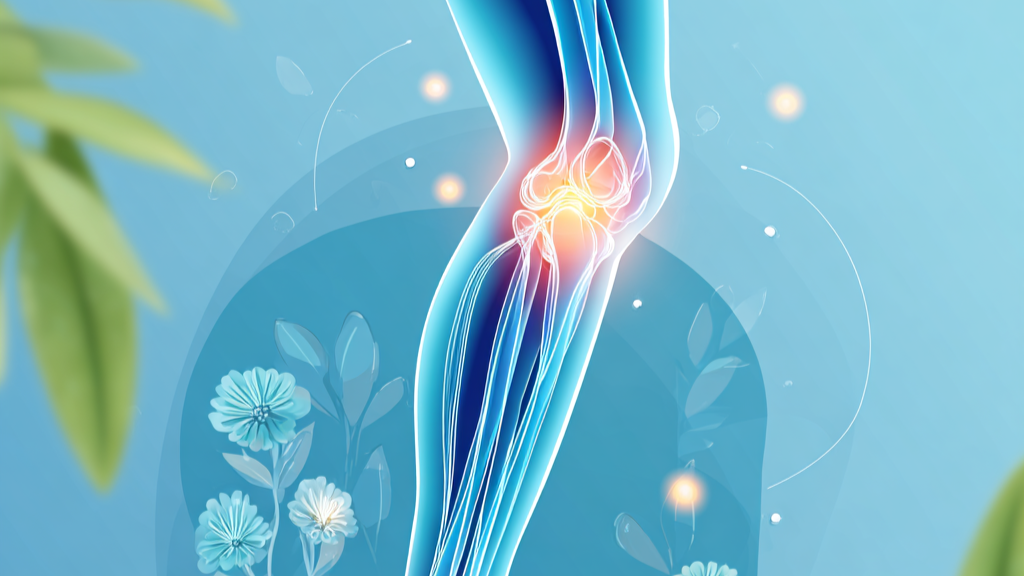
If you're struggling with chronic pain or a persistent sports injury in Macomb County that hasn't responded to conventional treatments, shockwave therapy might be a viable option. While not a standalone cure, it can be a powerful tool within a comprehensive treatment plan. This guide will explain how shockwave therapy works, its benefits and limitations, and how it can help you get back to pain-free movement, especially when combined with a structured physical therapy and strengthening program.
What is Shockwave Therapy and How Does it Work?
Shockwave therapy, also known as extracorporeal shock wave therapy (ESWT), is a non-invasive treatment that delivers high-energy acoustic waves to injured tissues to stimulate healing and reduce pain. In practice, we've found that patients often experience noticeable improvements after just a few sessions. These waves work by increasing blood flow to the affected area, triggering the release of healing chemicals, and promoting the growth of new blood vessels (neovascularization). This process encourages collagen production, which is crucial for tissue regeneration and remodeling in tendons, ligaments, and fascia.
The process essentially restarts the body's natural healing mechanisms in areas where they have stalled. This is particularly useful for chronic conditions where the body's initial response has been insufficient to resolve the issue. By delivering targeted energy, shockwave therapy helps to break down damaged tissue and promote the formation of healthy, functional tissue.
How Does Shockwave Therapy Reduce Pain? Benefits and Limits
Shockwave therapy reduces pain through several mechanisms. First, the shockwaves can calm overactive pain nerves by flooding them with stimulation (hyperstimulation), effectively disrupting pain signals. This process can alter pain transmitters like substance P, leading to lasting pain reduction, particularly in chronic tendon and fascia problems. Based on real results, many patients report a significant decrease in pain levels after a series of treatments.
Additionally, the treatment helps break down calcified deposits and scarred tissue, which can improve tissue glide, mobility, and function. However, it's important to understand that shockwave therapy is not a quick fix. Most individuals require a series of sessions, typically 3-6 spaced over several weeks, and benefit significantly from combining it with guided exercise and load management for optimal long-term results. We've found that patients who actively participate in a comprehensive rehabilitation program alongside shockwave therapy experience the most significant and lasting improvements.
What Conditions Can Shockwave Therapy Treat?
Clinically, shockwave therapy is most frequently used for persistent musculoskeletal problems that haven't responded to basic rest, stretching, or standard care. These conditions are commonly seen in active individuals and athletes throughout Macomb County and Metro-Detroit, where restarting the healing process can be crucial for returning to work or sport.
- Plantar fasciitis: Heel pain that is worst with first steps in the morning or after sitting, especially when it has lasted for months.
- Achilles tendinopathy: Chronic pain and stiffness in the tendon at the back of the ankle, common in runners and active adults.
- Tennis elbow (lateral epicondylitis): Pain on the outside of the elbow with gripping or lifting, especially with repetitive arm use.
- Golfer’s elbow (medial epicondylitis): Pain on the inside of the elbow linked to flexing or gripping.
- Calcific shoulder tendinitis: Shoulder pain from calcium deposits in the rotator cuff tendons that limit motion.
- Patellar or “jumper’s” knee and stubborn knee tendon pain: Front‑of‑knee pain that lingers despite standard rehab.
- Chronic gluteal or hip tendon pain and some myofascial trigger point syndromes: Deep, localized pain that has failed to improve with usual care.
What to Expect During Shockwave Therapy in Macomb County
A typical shockwave therapy session involves applying a handheld device to your skin with a gel to transmit the sound waves. Pulses are then delivered over the painful area. Sessions are usually brief, and you can often walk out and resume light activity the same day. One study showed that patients who received shockwave therapy reported a 50% reduction in pain after three sessions.
Most people require a short series of treatments, commonly around 3–6 sessions spaced over several weeks. Improvements often build gradually over weeks to months as tissue remodeling occurs, particularly when combined with a structured physical therapy and strengthening program. It’s important to maintain open communication with your therapist throughout the process to ensure the treatment is tailored to your specific needs and progress.
Benefits, Risks, and Integration with Physical Therapy and Medical Care
Key benefits of shockwave therapy include its non-invasive nature, minimal downtime, and ability to target long-standing pain where the body’s healing response has stalled. This is especially effective when coordinated with physical therapy, activity modification, and, when appropriate, medical pain management. Research shows that combining shockwave therapy with physical therapy can improve outcomes by up to 70%.
Limits and risks include temporary soreness or bruising, the possibility that it may not work for everyone, and the need to avoid treatment over certain areas (like active infections, open wounds, some nerve or vascular conditions, and in specific pregnancy-related scenarios). This is why a thorough screening by a qualified clinician is crucial to ensure the treatment is safe and appropriate for you.
When to Consider Shockwave Therapy and When to Seek Professional Help
Shockwave therapy is worth discussing with a provider in Macomb County or Metro-Detroit if you have a diagnosis like plantar fasciitis, Achilles tendinopathy, tennis elbow, calcific shoulder tendinitis, or stubborn knee or tendon pain that hasn't improved with rest, basic home exercise, or standard rehab over several months. In our experience, patients who have exhausted other treatment options often find significant relief with shockwave therapy.
However, you should seek medical evaluation first—not just shockwave—if your pain is sudden and severe, follows major trauma, comes with fever, night sweats, weight loss, chest pain, shortness of breath, or new weakness or numbness. These symptoms can signal conditions that require urgent medical care rather than a local tendon-focused treatment.
If you're unsure whether shockwave therapy, physical therapy, or another intervention is right for your situation, the safest step is to contact a clinic in the Macomb County area that can evaluate your specific injury, review your history and imaging, and then decide whether shockwave should be added to a broader, personalized plan for getting you back to pain-free movement. A comprehensive assessment is key to ensuring the best possible outcome.