
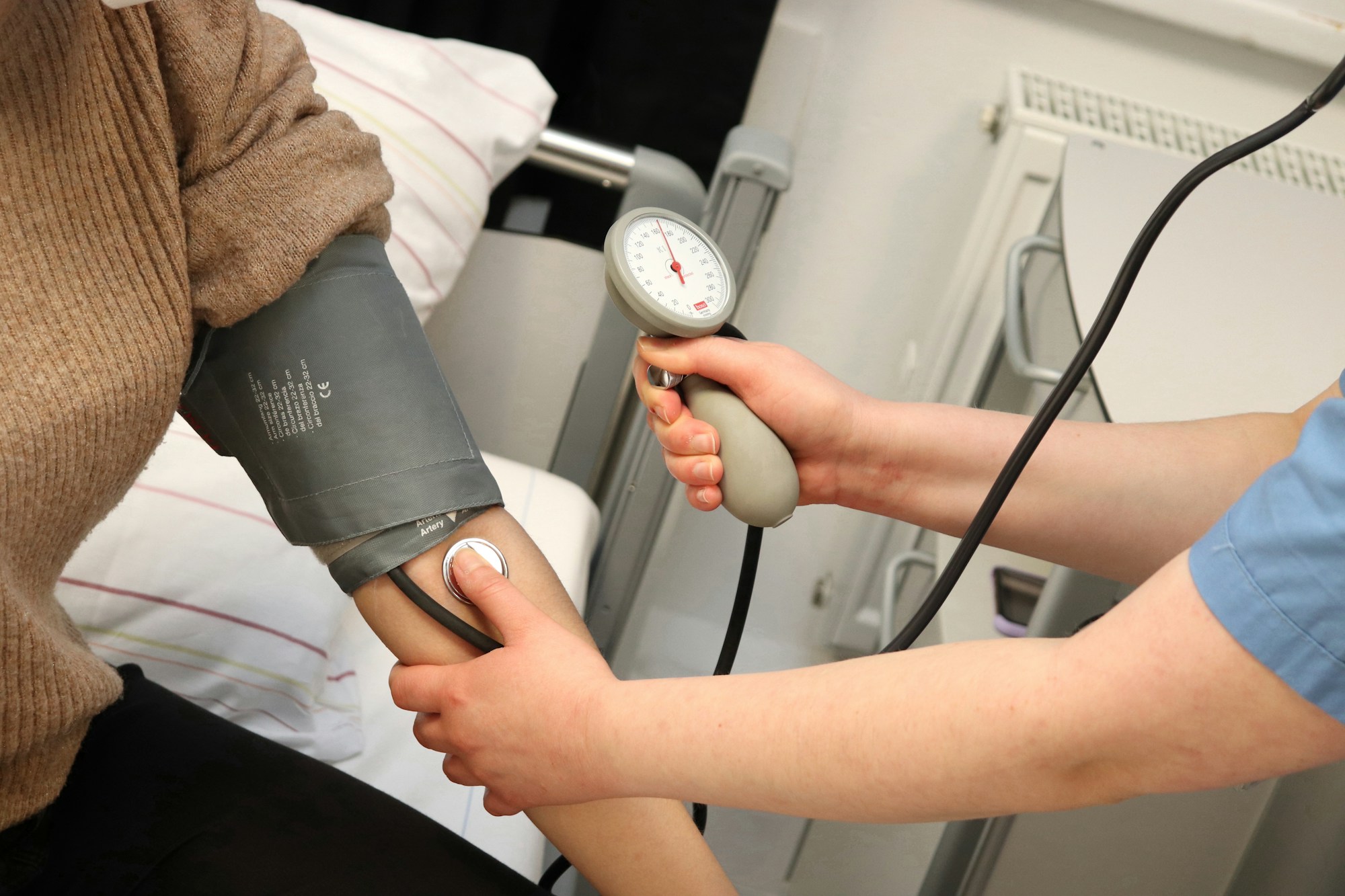
If you are looking into annual physicals in Macomb County before December 31, cost is probably one of your first questions. A couple of quick questions ahead of time can help you walk in knowing what to expect.
Is an annual physical free with insurance?
Often, yes, for the preventive parts of the visit. The Affordable Care Act is the reason many plans cover preventive services at no cost to you. HealthCare.gov says these services are generally covered at no cost when an in-network provider delivers them, and it also notes that $0 is not assured in every case. Its list for adults includes:
- Blood pressure screening for all adults
- Cholesterol screening for adults of certain ages or at higher risk
- Type 2 diabetes screening for adults 40 to 70 who are overweight or obese
- Obesity screening and counseling
- Depression screening
- Vaccines, which vary by age and eligibility
If you have Blue Cross coverage, BCBSM says that when an in-network visit is strictly for preventive care, you might not have to pay a copay, coinsurance or your deductible. Your specific plan decides, so check your plan documents or call the number on your card.
What can trigger a bill at an annual physical?
Most surprises come from a visit that turns into more than preventive care. BCBSM says you may have to pay if you receive services other than preventive care during the same visit, or if services are used to treat, diagnose or monitor an illness, injury or health problem. In everyday terms, that could look like this:
- You mention new knee pain and your provider examines it
- Your provider reviews or adjusts care for an ongoing condition
- A lab is ordered to investigate a symptom or monitor a known condition, rather than as a routine screening
Please bring up what is on your mind anyway. If you would like to understand the cost first, ask whether adding something could change how the visit is billed, or whether a separate appointment makes more sense.
How is Medicare's Annual Wellness Visit different from a physical?
Medicare.gov describes the yearly Wellness visit as a conversation to create a prevention plan, and says plainly that it isn't a routine physical exam. It is covered once every 12 months, and your first one can't happen within 12 months of your Part B enrollment or a Welcome to Medicare visit.
You pay nothing for the visit itself if your provider accepts assignment, and the Part B deductible does not apply. If additional tests or services are performed, you may owe coinsurance and the deductible may apply. If Medicare doesn't cover something, such as a routine physical exam, you may have to pay the full amount. When you book, tell the office which visit you want.
Why does December 31 matter for your deductible?
Your deductible is what you pay for covered care before your plan starts to pay, and HealthCare.gov explains that it starts over with each coverage year. Free preventive services are not subject to it, so timing mostly affects everything else.
If you have already met your deductible this year, follow-up visits or tests that happen before your plan year ends may cost you less than the same care after it restarts. Plan years can differ, so confirm your end date. Calling now leaves room for any follow-up labs.
What should you bring to your annual physical?
- Your insurance card and photo ID
- A list of your prescriptions, over-the-counter medications and supplements, including who prescribes each one
- Recent lab results or records from other providers
- Any changes in your family health history
- Your questions, written down with the most important one first
Is this a good time to talk about weight, GLP-1s and labs?
Yes, and your primary care provider is a natural person to ask. Weight can feel like a hard topic to raise, and it may help to know that obesity screening and counseling appear on the preventive list above.
If you take a GLP-1 medication or are thinking about one, include it on your list even if someone else prescribes it. Decisions about the medication belong to your prescriber, and your primary care provider can keep the whole picture in view. Our article on losing fat or muscle on a GLP-1 covers what the scale can miss.
You can also ask which labs make sense for you this year, and whether each one counts as routine screening or monitoring, since that can affect what you pay.
Where does Total Health Systems fit?
Primary care at Total Health Systems includes examinations and physicals, custom blood work and testing, and ongoing care for acute and chronic conditions. Our goal is for you to leave knowing why your yearly checkup matters and what comes next.
If your visit raises something else, primary care can work alongside the rest of our team, including chiropractic, physical therapy and nutrition counseling.
This article is general education and is not medical advice. Coverage and costs vary by plan, so confirm your benefits with your insurer or Medicare before your visit.