
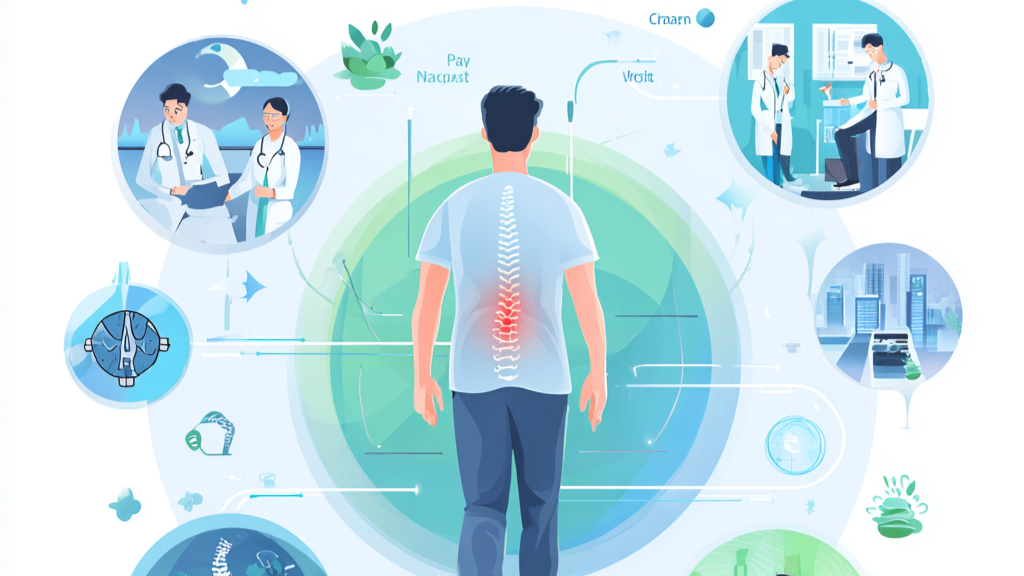
Persistent lower back pain can be debilitating, especially when you're unsure where to turn for help. In Macomb County, understanding the difference between emergency and non-emergency symptoms is crucial for effective treatment. This guide clarifies when to seek immediate medical attention and when a coordinated approach with primary care, chiropractic, or physical therapy can provide lasting relief. We'll explore how a multi-specialty clinic can streamline your care and get you back to feeling your best.
Emergency vs. Non-Emergency Back Pain: Recognizing Red-Flag Symptoms
Direct Answer: Seek immediate medical attention at the ER or urgent care if your back pain is accompanied by red-flag symptoms like loss of bowel or bladder control, severe or rapidly worsening leg weakness, numbness in the groin area (saddle anesthesia), major trauma (car crash, fall), high fever, or unexplained weight loss. These symptoms may indicate serious conditions that require immediate diagnosis and treatment.
These red-flag symptoms can signal serious problems such as spinal cord compression, infection, fracture, or cancer. It's crucial to rule out these conditions before considering conservative treatments like chiropractic, physical therapy, StimaWell EMS, or shockwave therapy. In practice, we've found that prompt evaluation of these symptoms can significantly improve patient outcomes.
Who to See First for Most Lower Back Pain Cases
Direct Answer: For most cases of lower back pain without red-flag symptoms, you can start with a primary care physician (PCP), chiropractor, or physical therapist (PT). The best choice depends on your specific symptoms, medical history, and preferences.
- Primary care physician (PCP): A great starting point if your back pain is new, you have multiple medical conditions, or you are unsure what is causing it. Your PCP can examine you, order initial imaging or labs if needed, and decide whether to involve PT, chiropractic, or pain specialists.
- Chiropractor: A strong option if your pain seems mechanical (worse with certain movements or positions) without red flags, and you want hands-on care such as spinal manipulation plus exercises, ideally in a clinic that can coordinate with medical providers.
- Physical therapist (PT): Ideal if your main goals are restoring movement, strength, and function after an injury, flare-up, or surgery. PT focuses on exercise-based recovery, posture, and body mechanics and often works best when integrated with medical or chiropractic care.
In a multi-specialty clinic serving Clinton Township and Macomb County, you don't have to guess perfectly. An initial visit can triage you to the most appropriate provider while keeping everyone on the same page. Based on real results, coordinated care leads to faster and more effective recovery.
Coordinated Care in a Multi-Specialty Clinic: A Streamlined Approach
Direct Answer: In a multi-specialty clinic, your healthcare providers share records and treatment notes to coordinate your care, ensuring a seamless and effective approach to managing your back pain.
At a multi-specialty wellness center like Total Health Systems, your PCP, chiropractors, physical therapists, and other providers share records and treatment notes, so they can coordinate imaging (X-rays, MRI ordered through medical providers), medication decisions, and the timing of hands-on treatments and exercise. This structure reduces contradictory advice and allows back pain care to move in stages: medical assessment → pain relief and early mobility (chiro, PT, StimaWell EMS) → tissue-specific options like shockwave therapy when appropriate → long-term strengthening and prevention.
The Benefits of Integrated Care
- Reduced risk of conflicting advice from different providers
- Improved communication and collaboration among your care team
- A more comprehensive and personalized treatment plan
- Faster and more effective recovery
StimaWell EMS and Shockwave Therapy: Targeted Treatments for Back Pain
Direct Answer: StimaWell EMS therapy strengthens deep core and spinal muscles, while shockwave therapy targets chronic soft-tissue problems. Both are used as part of a broader treatment plan, not as standalone cures.
StimaWell EMS therapy is used to activate and strengthen deep core and spinal muscles through computer-controlled electrical stimulation, especially when chronic back pain is linked to weakness or poor endurance. It often runs alongside PT and chiropractic to make active rehab more effective. Shockwave therapy is reserved for certain chronic soft-tissue problems (for example, stubborn tendon or ligament pain) that have not responded to basic care. It sends targeted acoustic waves into tissue to stimulate blood flow and healing, and is added only when your exam and diagnosis support it.
When to Seek Prompt Professional Help in Macomb County
Direct Answer: Contact a healthcare professional promptly if your lower back pain lasts more than a week or two, keeps returning, affects sleep, or limits daily activities.
Contact a professional promptly (within days) if lower back pain lasts more than a week or two, keeps returning, affects sleep, or limits daily activities like walking, driving, lifting, or work—especially if you live in Clinton Township or nearby communities and have easy access to coordinated care. Choose emergency or urgent evaluation instead of routine appointments if pain suddenly escalates, you cannot stand or walk, or you develop red-flag symptoms—once serious causes are ruled out, a multi-specialty clinic that offers primary care, PT, chiropractic, StimaWell EMS, shockwave, and referrals can then build a step-by-step plan to get you back to safe, confident movement.